
The Step-by-Step Process of Installing a Durable Concrete Sidewalk
1. Planning and Site Preparation
Assessing the Project Area
Every successful concrete sidewalk installation begins with a thorough assessment of the project site. This step involves evaluating soil conditions, drainage patterns, and existing landscape features. Identifying potential issues such as unstable soil or water accumulation allows for proactive solutions before construction begins. For example, areas with poor drainage may require additional grading or the installation of a drainage system to prevent future damage.
Proper measurement and layout are equally critical. Marking the sidewalk path using stakes and string lines ensures alignment and consistency throughout the project. This stage sets the foundation for a professional and visually appealing outcome.
Excavation and Ground Preparation
Excavation involves removing soil to the required depth, typically around 4 to 8 inches depending on the intended use and load-bearing requirements. The excavated area must be uniform and free of organic material such as roots or debris, which can cause uneven settling over time.
Once excavation is complete, the subgrade is compacted using mechanical equipment. Compaction strengthens the base and minimizes the risk of future shifting. In many cases, a layer of gravel or crushed stone is added to improve drainage and provide additional stability. This base layer plays a crucial role in preventing cracks and extending the lifespan of the sidewalk.
2. Formwork and Reinforcement
Installing Concrete Forms
Forms act as molds that hold the concrete in place while it sets. Typically constructed from wood or metal, forms are positioned along the edges of the planned sidewalk and secured firmly to prevent movement during pouring. Precision during this stage ensures straight edges and consistent dimensions.
Proper alignment and leveling of forms are essential. Even minor deviations can result in uneven surfaces or drainage problems. Contractors often use levels and string lines to maintain accuracy throughout the installation process.
Adding Reinforcement Materials
Reinforcement significantly enhances the strength and durability of a concrete sidewalk. Materials such as steel rebar or wire mesh are commonly used to reduce cracking and improve load distribution. These reinforcements are placed within the forms before pouring concrete, ensuring they are properly embedded.
In areas with heavy foot traffic or fluctuating temperatures, reinforcement becomes even more important. It helps the sidewalk withstand expansion and contraction caused by temperature changes, reducing the likelihood of structural failure.
3. Concrete Mixing and Pouring
Choosing the Right Concrete Mix
Selecting the appropriate concrete mix is vital for achieving long-lasting results. A standard sidewalk mix typically includes cement, sand, gravel, and water, with a compressive strength of around 3,000 to 4,000 psi. Additives may be included to improve workability, curing time, or resistance to environmental factors.
Consistency in the mix is crucial. Too much water weakens the concrete, while too little makes it difficult to work with. Maintaining the correct ratio ensures optimal strength and durability.
Pouring and Leveling the Concrete
Once the mix is prepared, it is poured into the forms and spread evenly using tools such as shovels and rakes. The concrete must be distributed quickly and efficiently to prevent premature setting.
Leveling, also known as screeding, involves using a straight edge to remove excess concrete and create a smooth, even surface. This step requires precision and coordination to ensure the sidewalk maintains a uniform thickness and proper slope for drainage.
Air pockets within the concrete can weaken its structure, so vibration or tapping techniques are used to eliminate trapped air. This process improves density and overall strength.
4. Finishing Techniques for Durability and Appearance
Surface Finishing Methods
Finishing transforms freshly poured concrete into a functional and visually appealing surface. After initial leveling, a float is used to smooth the surface and bring fine particles to the top. This creates a workable layer for final finishing.
A broom finish is commonly applied to sidewalks, providing a textured surface that improves traction and reduces slip hazards. This is especially important in areas exposed to rain or moisture. The direction and consistency of the broom strokes contribute to both safety and aesthetics.
Creating Control Joints
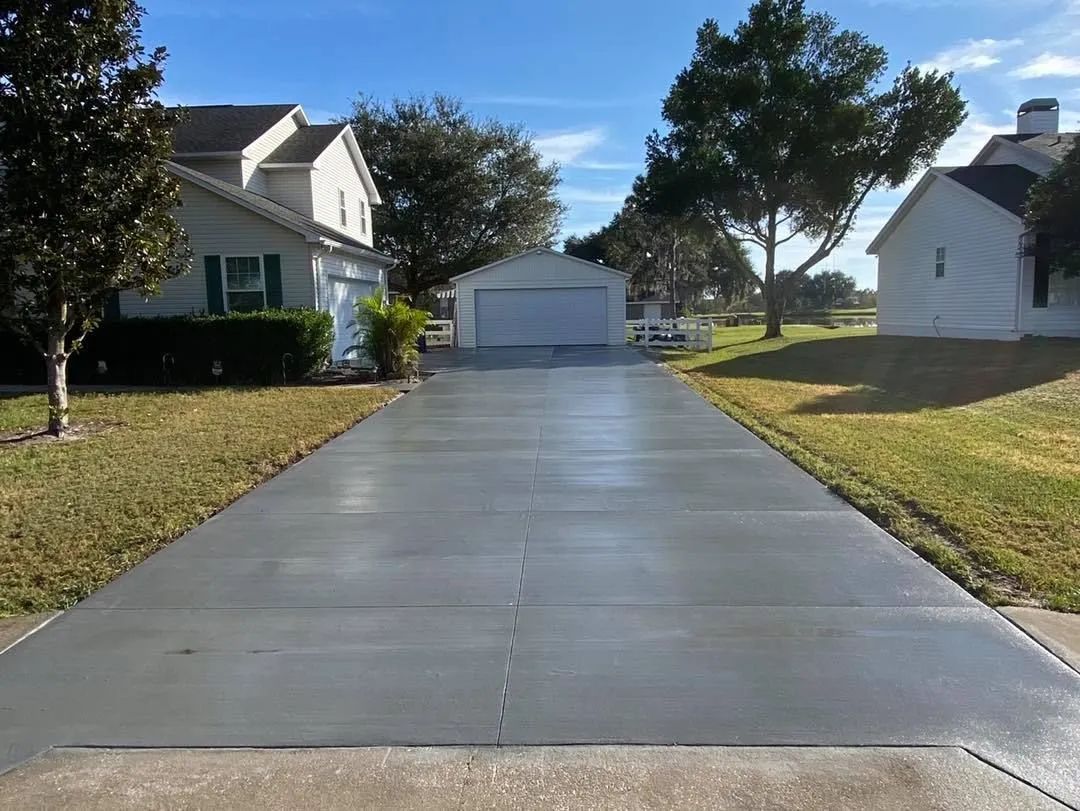
Control joints are intentional grooves placed in the concrete to manage cracking. As concrete naturally expands and contracts, these joints guide cracks along predetermined lines, preventing random and unsightly damage.
Joints are typically spaced every few feet, depending on the width and thickness of the sidewalk. Proper placement and depth are essential for effectiveness. Without control joints, even well-installed sidewalks are prone to uncontrolled cracking over time.
5. Curing and Protection
Understanding the Curing Process
Curing is one of the most critical steps in ensuring the strength and durability of a concrete sidewalk. It involves maintaining adequate moisture and temperature conditions to allow the concrete to achieve its full strength. This process typically lasts several days to a week.
Improper curing can lead to surface cracking, reduced strength, and shortened lifespan. Methods such as covering the concrete with plastic sheets, applying curing compounds, or regularly misting the surface help retain moisture during this phase.
Protecting the Sidewalk During Curing
During the curing period, the sidewalk must be protected from external disturbances such as foot traffic, heavy loads, and extreme weather conditions. Barriers or warning signs are often used to prevent accidental damage.
In hot climates, rapid evaporation can weaken the concrete, while in colder conditions, freezing temperatures can disrupt the curing process. Taking appropriate precautions based on weather conditions ensures optimal results and long-term durability.
6. Inspection, Maintenance, and Longevity
Final Inspection and Quality Checks
Once the concrete has cured, a thorough inspection ensures the sidewalk meets quality standards. This includes checking for surface defects, proper alignment, and adequate joint placement. Identifying and addressing minor issues early prevents larger problems in the future.
A well-installed sidewalk should exhibit a smooth, even surface with consistent texture and no visible signs of weakness or instability.
Ongoing Maintenance Practices
Maintaining a concrete sidewalk is essential for preserving its durability and appearance. Regular cleaning removes dirt and debris that can cause staining or surface wear. Sealing the concrete provides additional protection against moisture, chemicals, and environmental damage.
In colder regions, avoiding harsh de-icing chemicals helps prevent surface deterioration. Promptly repairing small cracks or chips prevents them from expanding into more significant structural issues.
Real-World Benefits of Proper Installation
A properly installed concrete sidewalk offers numerous long-term benefits. It enhances property value, improves safety, and reduces maintenance costs. For example, commercial properties with durable sidewalks experience fewer liability risks and lower repair expenses over time.
In residential settings, a well-constructed sidewalk contributes to curb appeal and provides a safe pathway for daily use. By investing in quality installation practices, property owners can enjoy reliable performance and long-lasting results.
Trusted Concrete Sidewalk Experts Deliver Lasting Results
Installing a durable concrete sidewalk requires a methodical approach, attention to detail, and adherence to proven construction practices. Each stage, from site preparation and formwork to pouring, finishing, and curing, plays a vital role in determining the final outcome. Skipping steps or compromising on quality can lead to costly repairs, safety hazards, and reduced lifespan. By understanding and following the correct process, it becomes possible to create sidewalks that are both functional and visually appealing.
A well-built sidewalk not only enhances property value but also ensures long-term reliability under varying environmental conditions. Consistent maintenance further extends its lifespan, making it a worthwhile investment for both residential and commercial properties. Prioritizing quality workmanship and proper techniques ultimately leads to durable, safe, and efficient walkways.
With 15
years of industry experience, AR Gator
in Lake Wales, FL stands as a trusted authority in concrete sidewalk installation and outdoor construction solutions. We focus on delivering durable, high-quality results through proven methods, precision workmanship, and attention to detail at every stage of the process. From initial planning and site preparation to finishing and curing, our approach ensures long-lasting performance and structural integrity. Our commitment to excellence allows us to meet the unique needs of each project while maintaining safety, efficiency, and reliability. Whether improving residential pathways or enhancing commercial properties, we bring expertise and dedication to every job, helping clients achieve sidewalks that are built to last.