
Residential Foundation Repair and Installation: What to Expect From Professionals
1. Understanding the Importance of Residential Foundations
Why Foundations Matter
A foundation distributes the weight of a home evenly into the ground below. Without a stable foundation, structural stress can develop throughout the building, affecting walls, floors, ceilings, windows, and roofing systems.
A properly designed foundation also helps resist moisture intrusion, soil movement, and environmental pressures. It creates the structural platform necessary for safe and reliable occupancy throughout the life of the home.
When foundation issues develop, the effects often extend beyond the visible problem area. Small cracks may eventually lead to larger structural concerns if corrective measures are delayed.
Common Causes of Foundation Problems
Several factors contribute to foundation damage over time. Expansive clay soils can swell when wet and shrink during dry conditions, creating movement beneath a home. Poor drainage systems may allow water to accumulate around the structure, increasing pressure against foundation walls.
Tree roots can alter soil moisture levels near the foundation, while improper construction practices may result in uneven settlement. In some cases, extreme weather conditions accelerate deterioration and expose existing weaknesses.
Understanding these causes helps professionals identify the most appropriate repair strategy rather than simply treating surface-level symptoms.
2. What Happens During a Professional Foundation Inspection
Comprehensive Structural Assessment
The first step in any foundation repair project is a detailed inspection. Professional contractors examine both interior and exterior areas to evaluate structural conditions and identify signs of movement or deterioration.
Inspectors often assess:
- Foundation cracks
- Uneven floors
- Wall separations
- Door and window alignment
- Drainage conditions
- Soil characteristics
- Exterior grading
Measurements may be taken throughout the structure to determine the extent of settlement and establish a baseline for repairs.
Identifying the Root Cause
A professional inspection focuses on identifying why foundation issues occurred rather than merely documenting visible damage.
For example, a homeowner may notice cracks above windows and assume cosmetic repairs are needed. However, an inspection could reveal ongoing settlement caused by drainage problems beneath the foundation. Addressing the root cause prevents recurring issues and protects the long-term integrity of the structure.
This investigative approach allows professionals to recommend solutions tailored to the home's specific conditions rather than relying on generic repair methods.
3. Foundation Repair Methods Used by Professionals
Pier and Underpinning Systems
One of the most common foundation repair solutions involves installing support piers beneath the structure. These systems transfer structural loads to more stable soil layers or load-bearing strata below.
Helical piers and push piers are frequently used to stabilize settling foundations. Once installed, these systems can help lift portions of the structure and reduce further movement.
Professionals determine the number and placement of piers based on engineering calculations, soil conditions, and the home's structural requirements.
Crack Repair and Structural Reinforcement
Not all foundation cracks indicate severe structural problems, but every crack should be evaluated carefully.
Professionals may use epoxy injections, polyurethane materials, or specialized sealants to repair certain types of cracks. In situations involving structural stress, reinforcement systems such as carbon fiber straps or wall anchors may be installed.
These solutions help strengthen weakened areas while reducing the risk of future damage.
4. Finishing Techniques for Durability and Appearance
Surface Finishing Methods
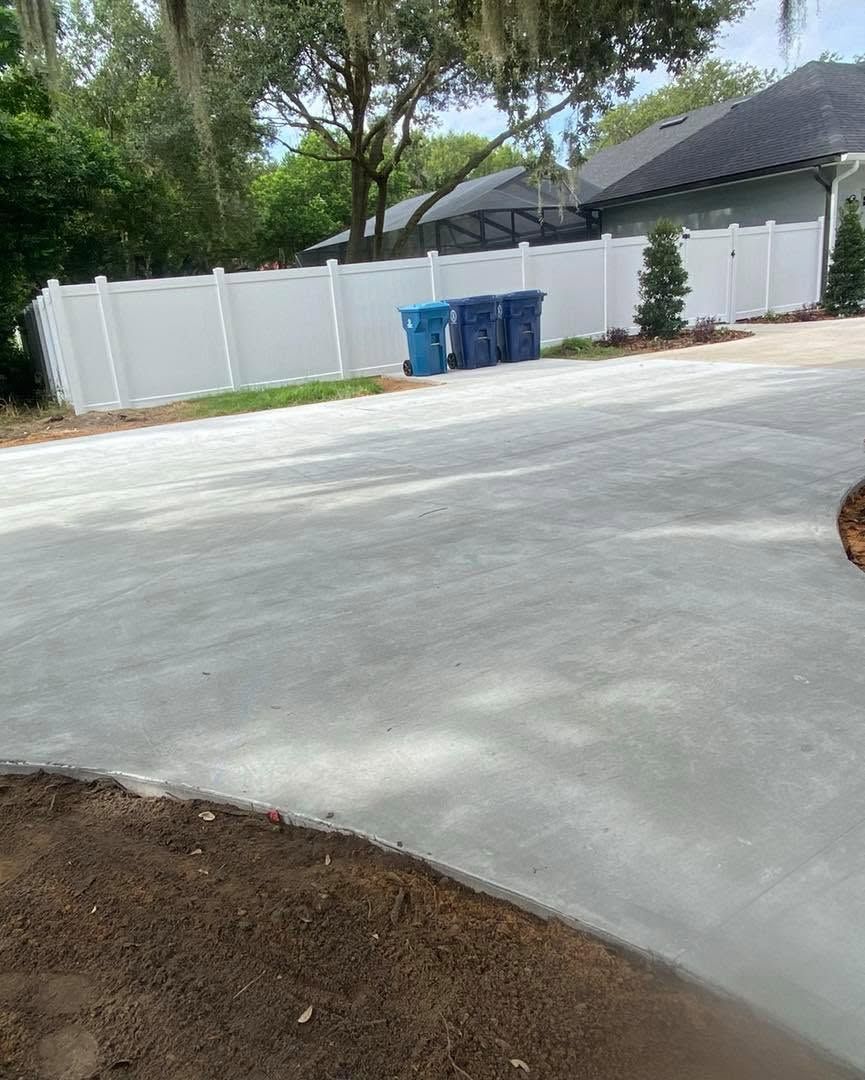
Finishing transforms freshly poured concrete into a functional and visually appealing surface. After initial leveling, a float is used to smooth the surface and bring fine particles to the top. This creates a workable layer for final finishing.
A broom finish is commonly applied to sidewalks, providing a textured surface that improves traction and reduces slip hazards. This is especially important in areas exposed to rain or moisture. The direction and consistency of the broom strokes contribute to both safety and aesthetics.
Creating Control Joints
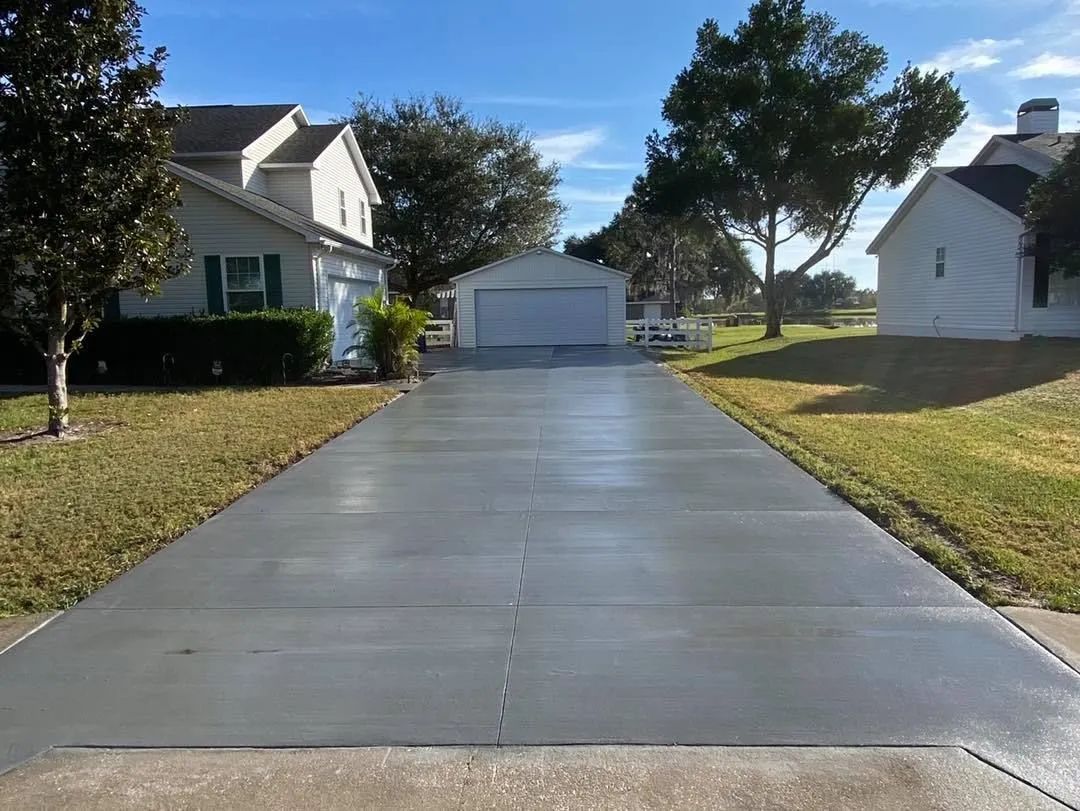
Control joints are intentional grooves placed in the concrete to manage cracking. As concrete naturally expands and contracts, these joints guide cracks along predetermined lines, preventing random and unsightly damage.
Joints are typically spaced every few feet, depending on the width and thickness of the sidewalk. Proper placement and depth are essential for effectiveness. Without control joints, even well-installed sidewalks are prone to uncontrolled cracking over time.
Drainage Corrections
Many foundation issues originate from poor water management. As part of a repair project, professionals may recommend improvements such as:
- French drains
- Surface drainage systems
- Downspout extensions
- Grading corrections
- Waterproofing measures
Managing water around the home helps reduce soil movement and minimizes pressure against foundation components.
Real-World Repair Example
Consider a homeowner who notices sloping floors and widening wall cracks. After inspection, professionals discover excessive water accumulation around one side of the home. Instead of simply repairing cracks, the project includes drainage improvements and pier installation to stabilize the affected section.
This comprehensive approach addresses both the symptoms and the underlying cause, creating a more durable solution.
5. What to Expect During New Foundation Installation
Site Preparation and Planning
Foundation installation begins long before concrete is poured. Professionals evaluate soil conditions, site topography, drainage patterns, and structural requirements to determine the most appropriate foundation design.
Site preparation may involve:
- Excavation
- Soil compaction
- Utility planning
- Drainage considerations
- Engineering review
Careful preparation helps establish a stable base for the entire structure.
Construction and Quality Control
During installation, contractors follow strict construction procedures to ensure structural performance. Reinforcement materials, concrete placement techniques, curing processes, and inspection protocols all influence the final result.
Quality control measures help verify that the foundation meets engineering specifications and local building requirements.
Attention to detail during this phase significantly affects the longevity and performance of the structure.
Foundation Design and Material Selection
Different homes require different foundation systems depending on environmental and structural factors.
Common residential foundation types include:
Slab Foundations
Concrete slab foundations are widely used in many regions because they offer cost efficiency and relatively simple construction.
Crawl Space Foundations
Crawl spaces provide access to plumbing, electrical systems, and HVAC components while elevating the structure above ground level.
Basement Foundations
Basement foundations create additional living or storage space while providing substantial structural support.
Professionals evaluate site-specific conditions before recommending a particular foundation type.
6. Benefits of Hiring Experienced Foundation Professionals
Accurate Diagnosis and Solutions
Foundation problems often appear similar on the surface but may have entirely different causes. Experienced professionals possess the training and knowledge necessary to identify underlying issues and recommend appropriate solutions.
This expertise helps homeowners avoid unnecessary repairs and focus resources where they are needed most.
Access to Specialized Equipment
Foundation projects frequently require specialized tools and equipment that are not available through standard construction services.
Professionals may use advanced surveying technology, hydraulic lifting systems, soil analysis equipment, and structural monitoring tools to achieve accurate results.
These resources contribute to safer and more precise repairs.
Compliance with Building Standards
Foundation work must comply with applicable building codes, engineering requirements, and safety standards.
Professional contractors understand these regulations and ensure projects meet required specifications. This reduces potential complications during inspections, property sales, and future renovations.
Long-Term Value and Protection
Investing in professional foundation services helps protect the overall value of a property. Stable foundations support structural longevity, reduce maintenance concerns, and contribute to greater buyer confidence should the home be sold in the future.
Addressing foundation issues promptly also prevents secondary damage that may affect other areas of the property.
7. Best Practices for Homeowners Before and After Foundation Work
Preparing for a Foundation Project
Homeowners can support a smoother project experience by understanding the process and preparing the property beforehand.
Helpful steps include:
- Discussing project timelines
- Reviewing proposed repair methods
- Clearing work areas
- Understanding access requirements
- Asking questions about warranties and maintenance
Open communication helps establish realistic expectations and promotes successful outcomes.
Post-Project Maintenance Recommendations
Foundation care continues after installation or repair work is completed.
Homeowners should regularly:
Monitor Drainage Conditions
Water management remains one of the most important factors affecting foundation performance. Gutters, downspouts, and grading should be inspected routinely.
Address Minor Issues Early
Small cracks or signs of movement should be evaluated promptly before they develop into larger concerns.
Maintain Consistent Soil Moisture
Extreme fluctuations in soil moisture can contribute to foundation movement. Maintaining balanced moisture levels around the home helps reduce stress on the structure.
Schedule Periodic Evaluations
Professional inspections can identify developing concerns before major repairs become necessary.
These preventive measures support long-term foundation stability and help homeowners protect their investment.
Experience Superior Foundation Services With
AR Gator
Residential foundation repair and installation projects require careful planning, technical expertise, and a thorough understanding of structural behavior. From diagnosing settlement issues and correcting drainage concerns to installing new foundations that support long-term performance, professional services play a critical role in protecting residential properties. Professional evaluations, proper construction methods, and ongoing maintenance all work together to support lasting results. Whether addressing existing structural concerns or preparing for new construction, partnering with experienced professionals provides confidence throughout every stage of the project.
For homeowners seeking dependable foundation expertise, AR Gator
in Lake Wales, FL brings 15
years of industry experience to residential foundation repair and installation projects. We understand the challenges that changing soil conditions, moisture issues, and structural settlement can create for property owners. Our commitment to quality workmanship, detailed evaluations, and proven repair solutions allows us to deliver results that support long-term stability and peace of mind. We take pride in helping homeowners protect their investments through professional foundation services built on experience, knowledge, and attention to detail. When structural integrity matters, AR Gator
provides the expertise and reliability homeowners can trust.